Enhance Your Surroundings: The Impact of Professional Architectural Design Services
Skilled architectural design offerings play an essential role in reshaping environments. These services merge practicality with visual appeal, ensuring that each project meets both practical needs and visual standards. Designers utilize cutting-edge methods and eco-friendly approaches, tailoring their work to meet neighborhood specifications. Still, a great number of people are uninformed about how these solutions can reveal the hidden possibilities within their spaces. Exploring the multifaceted advantages of engaging an architect reveals insights that could redefine any space.
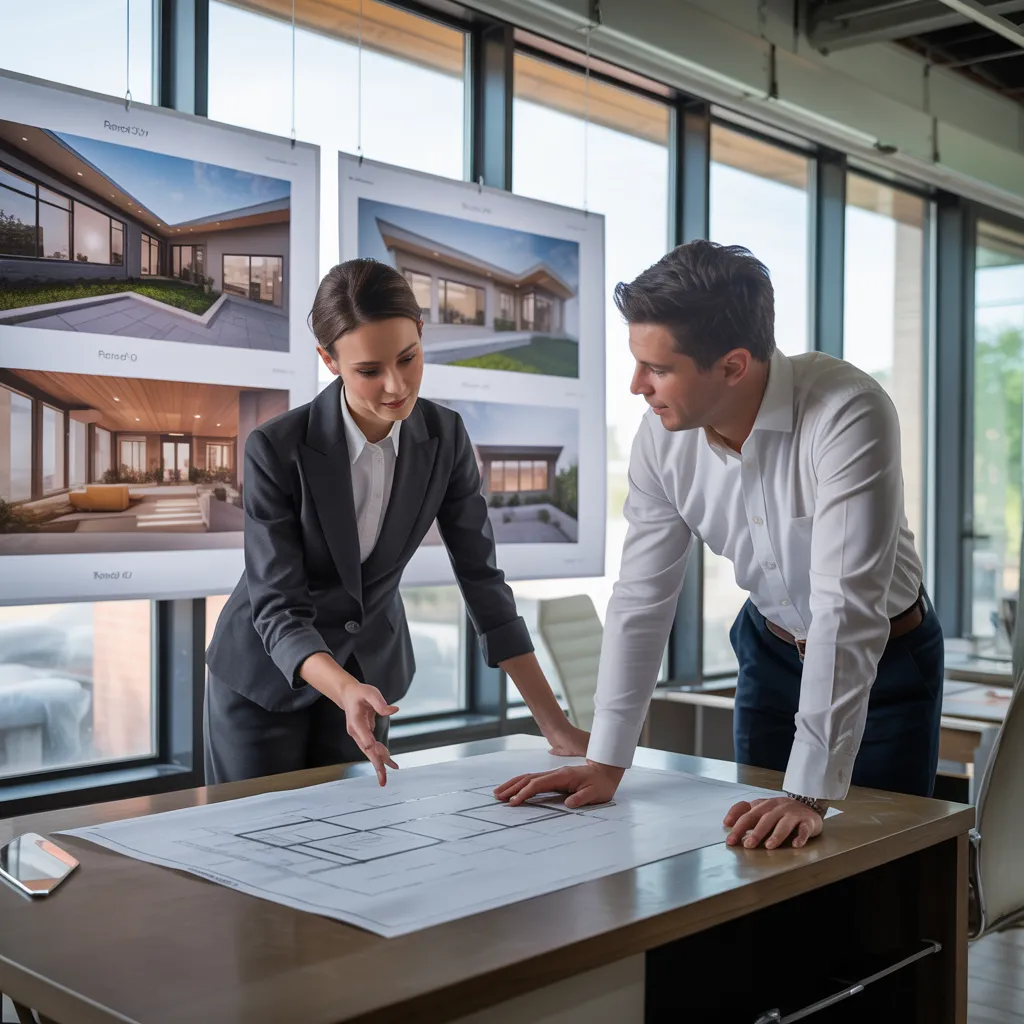
Revealing the Benefits of Professional Architectural Design
Highlighting the value of skilled architectural practice is vital for elevating both aesthetic appeal and functionality in any project. Professional architectural practice goes beyond surface-level beauty; it unifies the principles of space planning, environmental sustainability, and structural integrity. By utilizing advanced techniques and a comprehensive understanding of materials, designers produce spaces that are not only visually compelling but also practical and efficient.
Additionally, professional architects consider the unique aspects of each design endeavor, including climate, local regulations, and community requirements. This holistic strategy assures that the design is not only innovative but also in harmony with its environment. They utilize advanced technology, such as advanced 3D modeling, to give clients a precise visualization of the finished project. At the end of the day, opting for expert architectural design results in enduring rewards, enhancing both the experience of the occupants and the overall value of the property.
Key Benefits of Hiring an Architect for Your Design Project
Engaging an architect for a design project offers numerous advantages that strengthen both the workflow and the finished result. Architects contribute valuable expertise, making certain that projects adhere to local regulations and building codes, which can eliminate costly complications down the line. Their ability to produce detailed plans and specifications aids in streamlining the construction process, reducing delays and miscommunication among project contractors.
In addition, architects are skilled in project management, overseeing all facets of the design and construction phases. This supervision confirms that schedules and financial plans are followed, giving clients confidence and reassurance. In addition, architects are capable of spotting potential challenges at the beginning of the design phase, allowing for proactive problem-solving. Their familiarity with materials and construction methods may result in innovative solutions that improve effectiveness and sustainability. At the end of the day, engaging an architect not only elevates the design project but also elevates the end-to-end experience for clients.
Improving Aesthetics and Functionality Through Architectural Knowledge
Architectural proficiency serves an essential role in elevating both form and function in construction endeavors. By employing innovative design solutions, making the most of spatial layouts, and choosing eco-friendly materials, architectural professionals can craft settings that are visually appealing and practical. This strategy not only fulfills client requirements but also supports ecological awareness.
Advanced Design Strategies
Groundbreaking design strategies reshape spaces by effortlessly merging beauty with practicality. Design experts employ innovative methods to meet diverse client needs while enhancing visual appeal. By utilizing textures, hues, and shapes that complement the surroundings, designers create harmonious spaces that reflect individual identities. Cutting-edge technology, such as 3D rendering and virtual reality, enables realistic visualizations, allowing clients to experience ideas prior to execution. Furthermore, incorporating eco-friendly methods ensures that designs are both visually appealing and environmentally responsible. With deliberate attention to brightness, proportion, and circulation, these strategies optimize user comfort and support overall health. In the end, forward-thinking design cultivates a distinctive balance between functionality and elegance, enhancing the quality of residential and professional spaces.
Space Efficiency Methods
Making the most of space demands careful planning and design methods that improve both visual appeal and practicality. Expert architectural design firms utilize strategies like open floor plans, which eliminate unnecessary walls and foster a sense of spaciousness. Dual-purpose furniture can be introduced to meet several needs, making certain that every square foot is put to optimal use. Furthermore, strategic positioning of windows and mirrors can produce the appearance of more expansive spaces, inviting natural light and improving visual dimension. Architects also consider circulation patterns, ensuring that movement through a space is both intuitive and efficient. By prioritizing these optimization techniques, architects transform environments into harmonious areas that not only look appealing but also cater to the practical needs of their occupants.
Environmentally Conscious Material Choices
While prioritizing sustainability, architects are increasingly drawn to environmentally conscious materials that enhance both aesthetics and functionality. Making use of resources such as reclaimed wood, bamboo, and recycled metal not only reduces environmental impact but also contributes a one-of-a-kind quality to environments. These choices contribute to a harmonious design, blending seamlessly with natural surroundings. Beyond this, integrating options such as low-VOC paints and energy-efficient glass boosts interior air quality and strengthens thermal efficiency, ultimately benefiting occupant health and comfort. Through the thoughtful choice of eco-friendly resources, architects create visually appealing environments that appeal to environmentally aware clients. Such a philosophy encourages a more conscientious design approach, proving that beauty and sustainability can coexist, while responding to the critical call for sustainable innovations in today's built environment.
How Technology Is Transforming Modern Architectural Designs
In today's world, countless technological advancements greatly influences architectural design, redefining how structures are planned and developed. Building Information Modeling (BIM) allows architects to produce intricate 3D models, supporting better collaboration across stakeholders and providing precision during the design process. Furthermore, virtual reality (VR) and augmented reality (AR) permit clients to visualize spaces before they are developed, making design decisions better informed and more natural.
Sustainability has further been strengthened through technological innovation, with energy modeling software helping architects optimize building performance by modeling energy usage and ecological effects. Furthermore, innovative materials and construction approaches, such as 3D printing and prefabrication, optimize the overall construction workflow, minimizing construction timelines and financial outlays. Drones and robotics are increasingly used for site surveys and inspections, delivering live data that enhances precision and on-site safety. Overall, technology not only enhances creativity but also guarantees that architectural designs meet modern demands for efficiency and sustainability.
Frequent Myths Surrounding Architectural Services
Numerous people have false beliefs about architectural services, believing that they are prohibitively expensive and that the role of architects is limited to building design. This limited perspective fails to acknowledge the diverse range of services that architects offer, including planning and consultation. Gaining clarity on these false assumptions is vitally important for understanding the real significance of the expertise that architects bring.
Why Architectural Services Are So Expensive
The belief that architectural services are prohibitively expensive often stems from misunderstandings about their value and scope. Numerous people associate elevated prices with being out of reach, overlooking the long-term benefits that professional design can provide. Architectural services encompass more than just blueprint creation; they include thorough planning, adherence to regulations, and creative solutions. Through investing in these professional offerings, homeowners frequently realize savings over time through better resource management, fewer building mistakes, and enhanced property worth. In addition, the complexity of a project can greatly impact costs, highlighting the importance of recognizing that a thoughtfully crafted design can result in significant cost reductions. Ultimately, treating architectural services as a strategic investment rather start now than a mere expenditure can transform outlooks and strengthen understanding of their significance.
Architects Just Design Buildings
A common misconception is that architects solely focus on designing buildings. In reality, their expertise extends far beyond mere structure. Architects contribute to city planning, landscape development, and interior spaces, maintaining cohesion across multiple elements. They work closely with clients to develop practical spaces that improve everyday living. Additionally, architects engage in sustainability efforts, integrating eco-friendly practices into their designs. They frequently contribute to public areas, recreational parks, and neighborhood initiatives, meeting community demands and enhancing city infrastructure. Moreover, architects provide valuable insights during renovation and restoration projects, preserving historical significance while adapting to modern needs. This multifaceted role showcases their importance in shaping not just buildings, but entire communities and environments.
Choosing the Right Architect for Your Design Needs
How can one guarantee that the selected architect is suited to their specific design vision? Finding the right architect requires thoughtful evaluation of multiple aspects. To begin, reviewing an architect's portfolio can offer a glimpse of their creative style and skill set. This approach enables future clients evaluate whether the architect's past projects resonates with their individual design sensibilities.
Moreover, clear communication is essential. Taking part in preliminary consultations enables clients to communicate their ideas and expectations with clarity. The architect's willingness to listen attentively and respond considerately reflects their commitment to comprehending the client's vision.
Moreover, checking references and client testimonials can demonstrate the architect's reliability and professionalism. It is vital to ensure that the architect has expertise that aligns with the project's scope, whether residential or commercial. Ultimately, a well-matched architect can bring a vision to life, making the selection process fundamental for ensuring positive architectural results.
Triumphs in Architectural Design
Bringing concepts to life, remarkable architectural success stories illustrate the remarkable effect of deliberate planning and artistic execution. One notable example is the transformation of a century-old warehouse into a vibrant community center. Skilled architects thoughtfully maintained the building's historic elements while introducing modern-day facilities, producing a space that encourages interaction and community involvement.
One other motivating example featured a green residential project that incorporated sustainable building materials and forward-thinking design approaches. This methodology not only minimized environmental impact but also established a balanced and pleasant living space, defining a new precedent for upcoming projects.
In urban landscapes, the transformation of underutilized spaces into green parks demonstrates how strategic design can improve the quality of life for residents. Every example demonstrates a commitment to improving both form and function, showing how professional architectural services can elevate spaces and improve quality of life. Such achievements stand as proof of the remarkable impact of architectural design in crafting spaces for generations to come.
Common Questions and Answers
What Qualifications Should I Look for in an Architect?
When looking for an architect, it is essential to prioritize qualifications such as a relevant degree, valid professional credentials, portfolio diversity, strong communication skills, and expertise in the specific project type to secure seamless cooperation and successful project completion.
How Much Time Does the Architectural Design Process Usually Take?
The architectural design process usually spans three to six months in total, based on project complexity, the needs of the client, and regulatory approvals. Effective communication and collaboration can help accelerate this timeline, ensuring timely delivery of the final design.
What Costs Can You Expect When Hiring an Architect?
The expenses involved in hiring an architect usually span from 5% to 15% of the complete project budget, based on the complexity and scope of the project. Further costs may be incurred for consultations, revisions, and specialized services across the design process.
Can Architects Help With Permits and Zoning Regulations?
Architects are able to help with permits and zoning regulations. Their professional expertise ensures compliance with local regulations, simplifying the application process and minimizing potential delays, ultimately supporting the successful completion of a project.
How Do I Effectively Convey My Vision to an Architect?
To communicate effectively with an architect, it is important to prepare visual references, articulate specific needs, talk through design preferences, and remain open to suggestions. Transparency and cooperation encourage meaningful discussion, ensuring the vision aligns with architectural expertise.
Comments on “Professional Building Plans in St. Louis”